Why Electromagnetic Shielding Has Become Essential
With the rapid expansion of modern electronics, electromagnetic interference (EMI) has become a critical engineering challenge across multiple industries. High-frequency signals generated by communication equipment, automation systems, and power electronics can easily interfere with nearby devices.
Uncontrolled electromagnetic environments may cause:
- unstable signal transmission
- inaccurate laboratory measurements
- communication system failure
- malfunction of sensitive electronic components
For this reason, Faraday cage shielding systems are now widely implemented in laboratories, data centers, electronic manufacturing facilities, and research institutions.
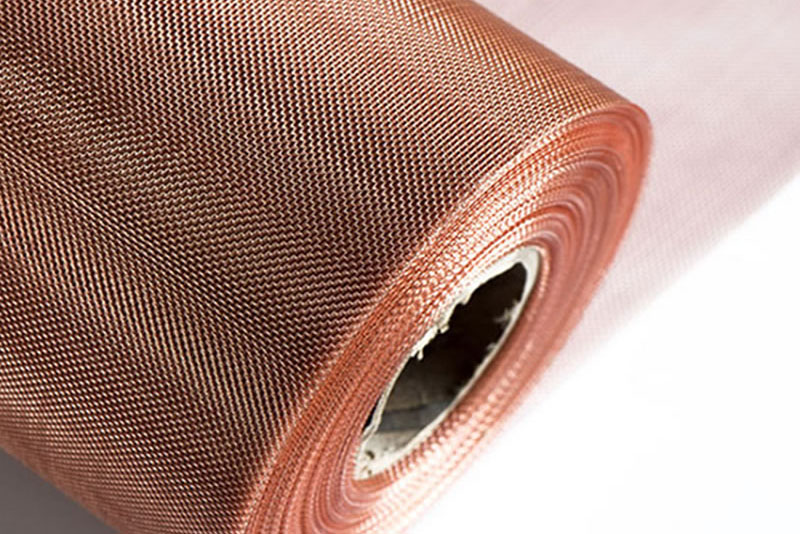
Among available shielding materials, copper woven wire mesh remains one of the most effective and practical solutions due to its exceptional conductivity and installation adaptability.
Understanding the Working Principle of a Faraday Cage
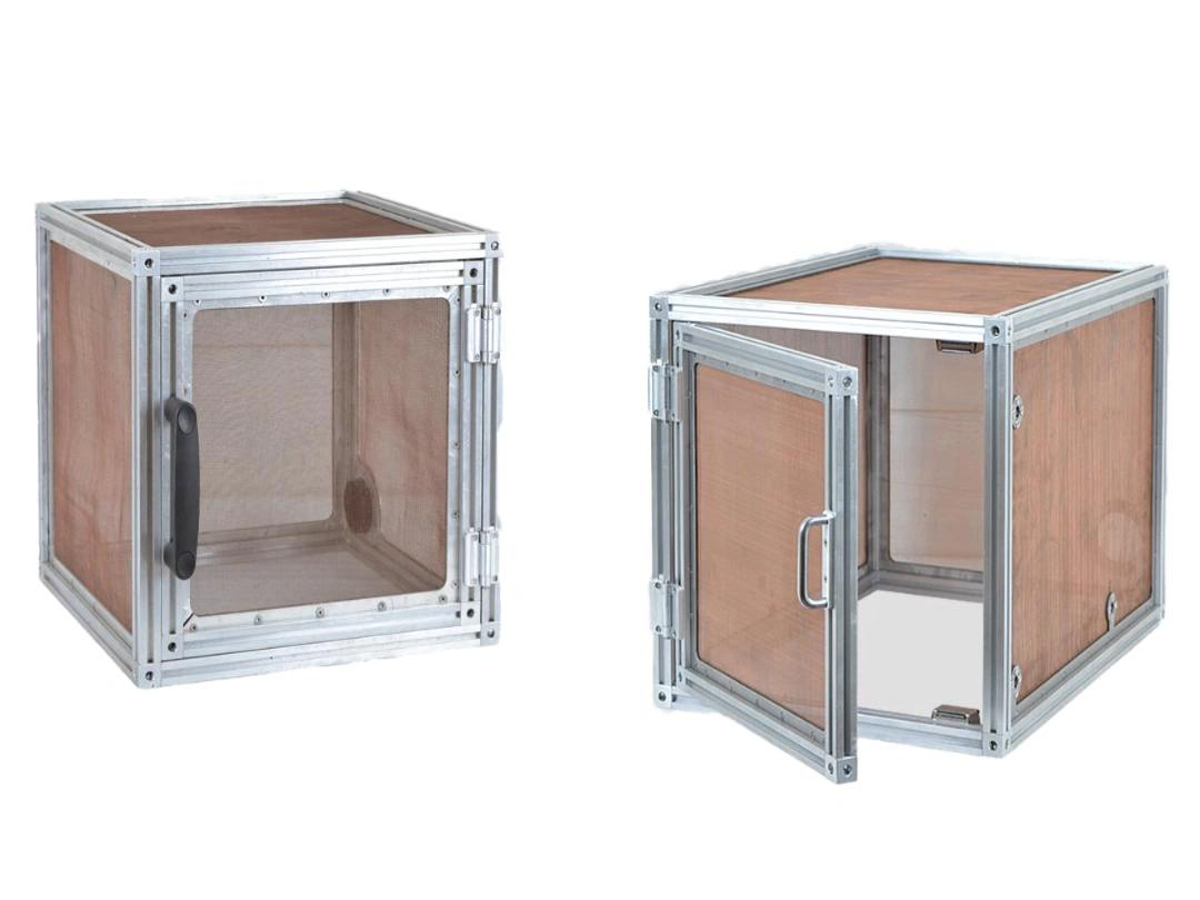
A Faraday cage is a conductive enclosure designed to isolate internal space from external electromagnetic fields.
When electromagnetic waves encounter conductive copper mesh:
- free electrons move along the metal surface
- Induced currents redistribute electromagnetic energy
- Incoming radiation is reflected or absorbed
As a result, electromagnetic fields cannot penetrate the enclosed area effectively.
Unlike solid metal panels, woven copper mesh provides electromagnetic shielding while maintaining airflow, visibility, and reduced structural weight, which are often necessary in real engineering environments.
Typical applications include:
- EMC testing laboratories
- antenna testing rooms
- military and aerospace facilities
- communication control rooms
- medical equipment environments
- high-precision measurement systems
Why Copper Wire Mesh Is the Preferred Shielding Material
Outstanding Electrical Conductivity
Copper offers one of the highest electrical conductivities among industrial metals. High conductivity allows induced electromagnetic currents to disperse rapidly across the mesh surface, improving shielding attenuation efficiency.
Compared with alternative materials:
- copper performs better than stainless steel in shielding effectiveness
- copper provides more stable conductivity than aluminum over time
This makes copper mesh especially suitable for high-performance Faraday cages.
Effective Shielding Across Wide Frequency Ranges
Modern electronic systems operate across increasingly wide frequency bands, including microwave and high-frequency communication ranges.
Copper woven mesh maintains stable shielding performance from low frequencies to high-frequency EMI environments, making it adaptable to diverse engineering projects.
Proper mesh selection allows engineers to achieve excellent attenuation without using excessively heavy structures.
Mechanical Flexibility and Engineering Adaptability
One of the major advantages of copper mesh is installation flexibility.
Copper mesh can be:
- easily cut to customized dimensions
- bent around complex structures
- soldered or mechanically connected
- integrated into modular shielding systems
This flexibility significantly reduces construction complexity compared with rigid shielding panels.
Long-Term Reliability
Copper naturally forms an oxide layer when exposed to air. However, this oxidation mainly affects visual appearance rather than electrical shielding performance.
When properly grounded, copper mesh maintains stable electromagnetic protection for many years, making it suitable for long-term infrastructure installations.
Key Parameters for Selecting Copper Wire Mesh
Correct specification selection is critical for successful Faraday cage performance.
Mesh Count and Aperture Size
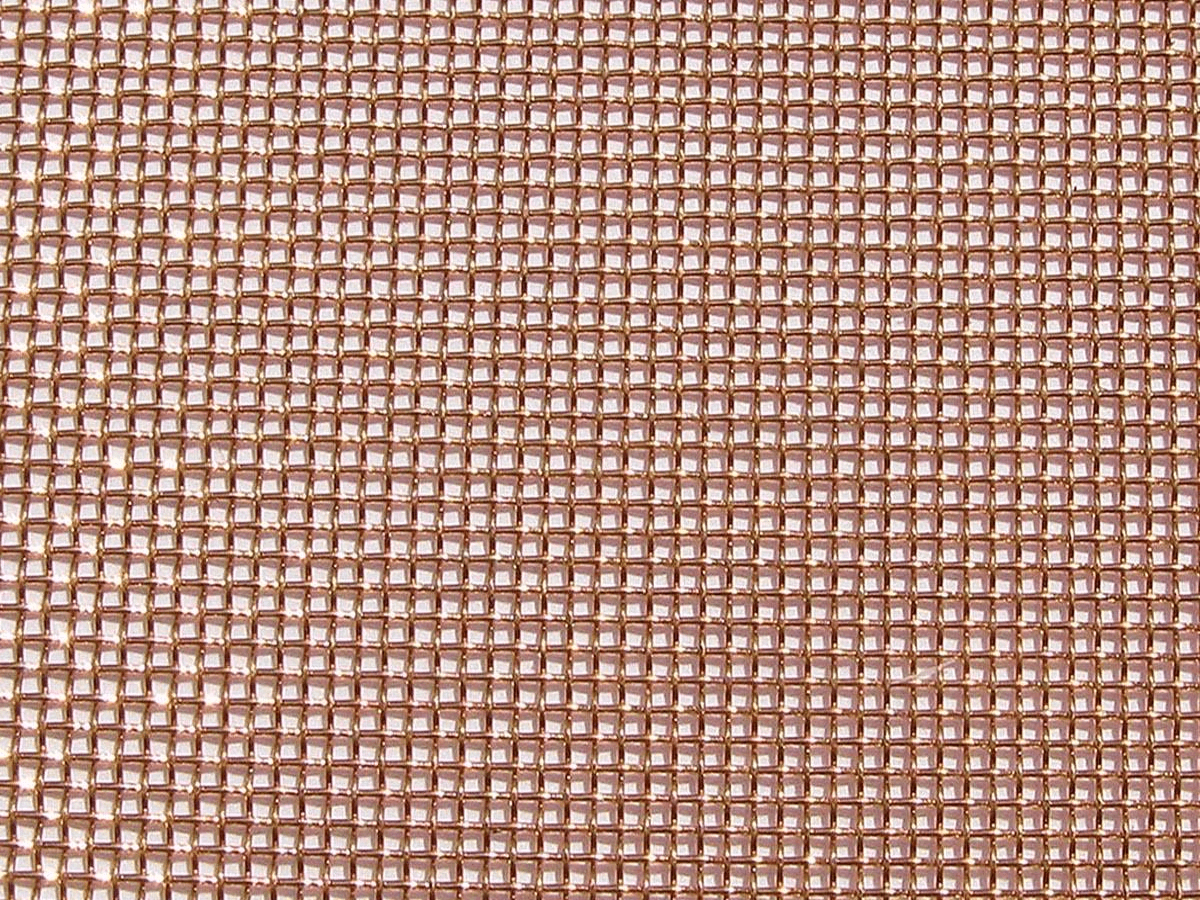
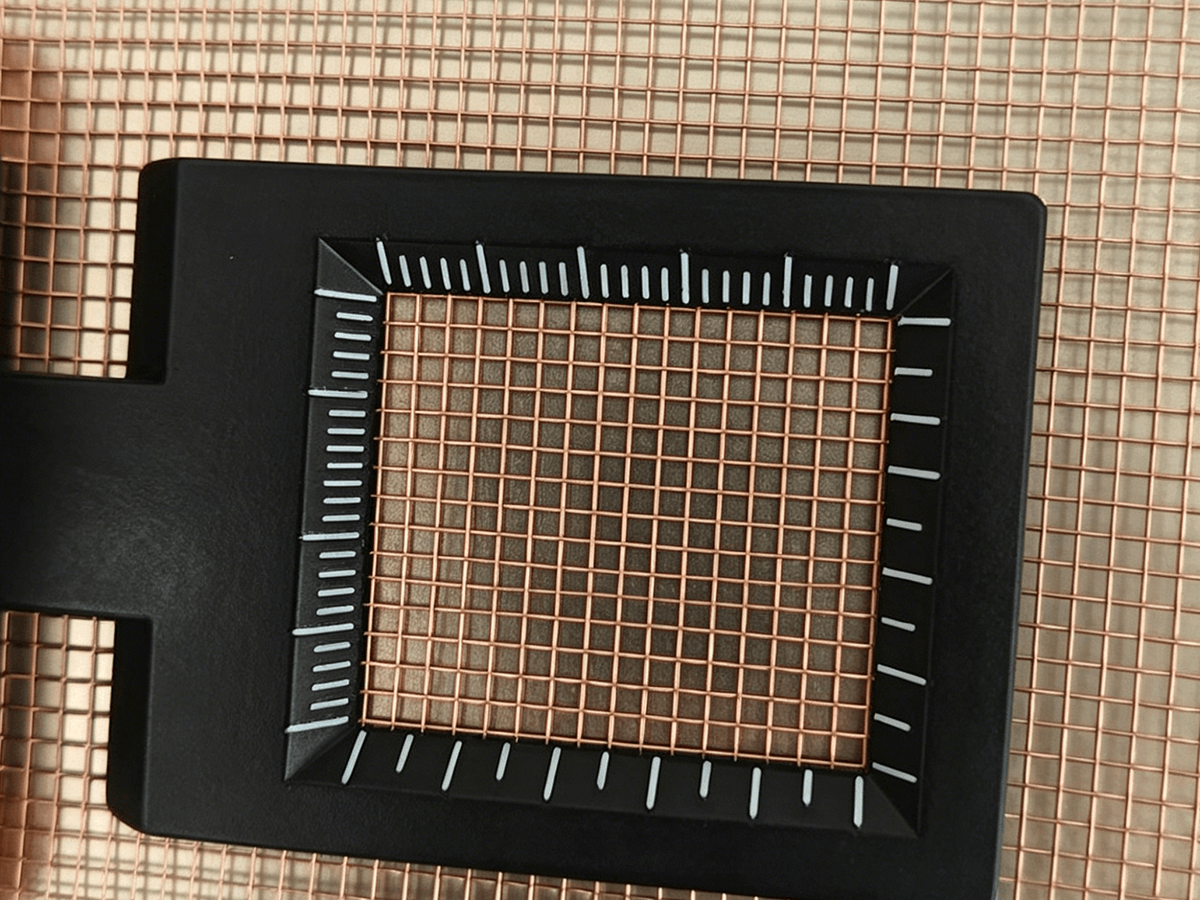
Common Faraday cage applications typically use 20 to 200 mesh copper wire mesh.
Smaller openings improve shielding effectiveness because electromagnetic waves encounter more conductive barriers. However, overly fine mesh may increase cost and reduce airflow unnecessarily.
Engineering design should balance shielding requirement and ventilation needs.
Wire Diameter and Mechanical Strength
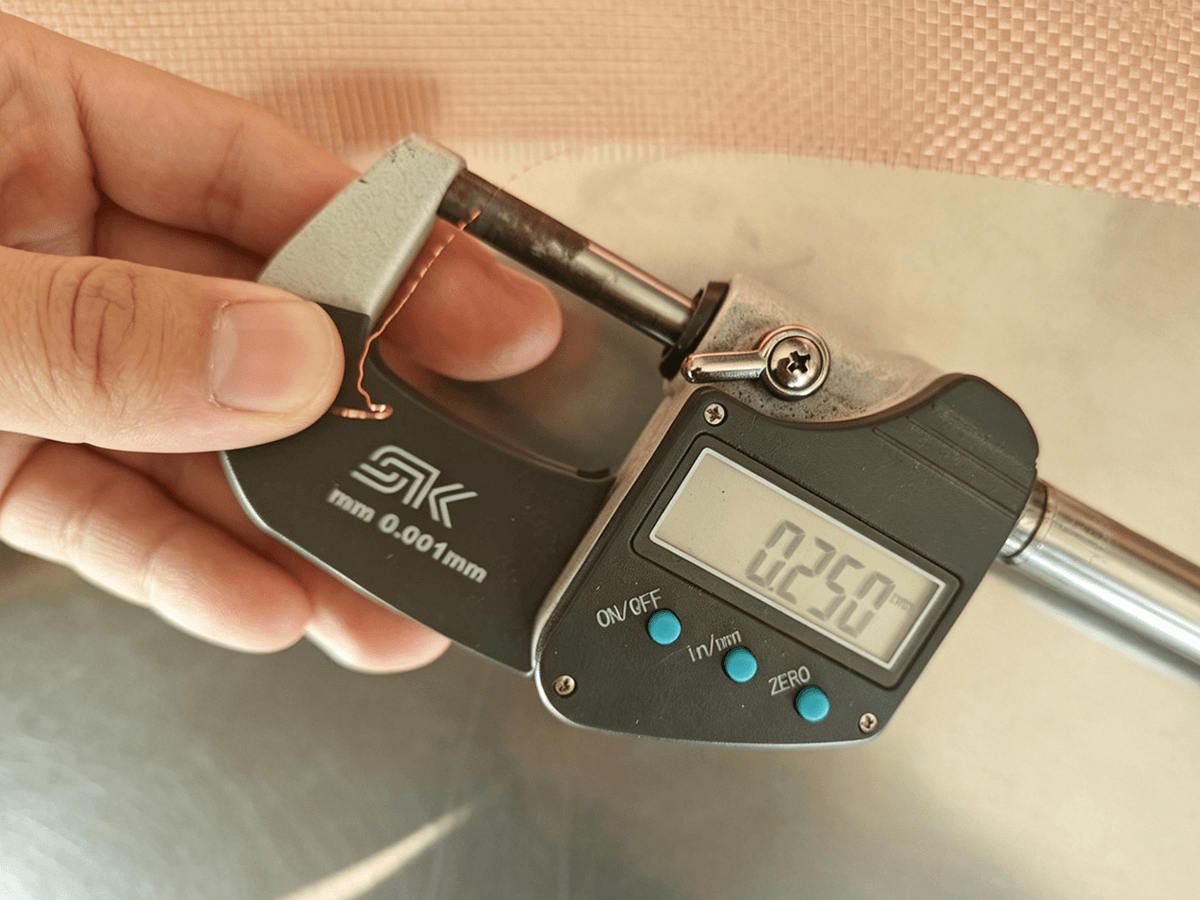
Wire diameter determines structural durability and service life.
Thicker wires improve mechanical strength and installation stability, especially in large shielding rooms. Thinner wires may be suitable for lightweight or internal shielding applications.
Proper combination of mesh count and wire diameter ensures both electrical performance and mechanical reliability.
Copper Purity and Material Quality
Professional shielding projects normally require high-purity copper (≥99.9%).
Low-purity copper may contain impurities that increase electrical resistance and reduce shielding consistency across large areas.
Stable raw material quality is essential for repeatable engineering performance.
Frequency-Based Design Considerations
A common engineering misconception is assuming higher mesh count automatically provides better shielding.
In practice, mesh opening size must correspond to electromagnetic wavelength. Correct frequency matching delivers optimal shielding efficiency without unnecessary material cost.
Practical Industry Experience from HIGHTOP Group
Based on long-term cooperation with international engineering companies, HIGHTOP Group has observed several recurring project requirements.
Laboratory Faraday Cage Construction
Many laboratory projects initially consider solid metal panels but later shift toward copper mesh solutions.
Copper mesh offers:
- faster onsite installation
- easier modification during construction
- improved ventilation for equipment cooling
- reduced overall structural weight
These advantages often shorten project timelines while maintaining shielding effectiveness.
Electronic Equipment and Cabinet Shielding
Manufacturers increasingly use copper mesh inside equipment enclosures to protect sensitive circuits from external interference.
Typical applications include:
- electronic testing devices
- automation control cabinets
- communication equipment housings
- data processing systems
Copper mesh allows designers to combine shielding performance with thermal management requirements.
Installation Practices That Directly Affect Shielding Performance
Even high-quality materials cannot compensate for improper installation.
Successful Faraday cage construction requires attention to several critical factors:
- continuous electrical grounding across all mesh sections
- overlapping mesh joints to avoid electromagnetic leakage
- reliable bonding between panels and structural frames
- elimination of gaps, seams, or poorly connected areas
Engineering experience shows that installation quality can influence shielding performance as much as material selection itself.
Manufacturing Expertise at HIGHTOP Group
HIGHTOP Group specializes in manufacturing copper woven wire mesh for industrial applications rather than decorative use.
Our production system includes:
- strict raw material inspection
- precision weaving equipment control
- dimensional accuracy verification
- surface and conductivity inspection
- export-standard packaging protection
These processes ensure consistent product performance suitable for demanding international projects.
Increasing Global Demand for EMI Shielding Solutions
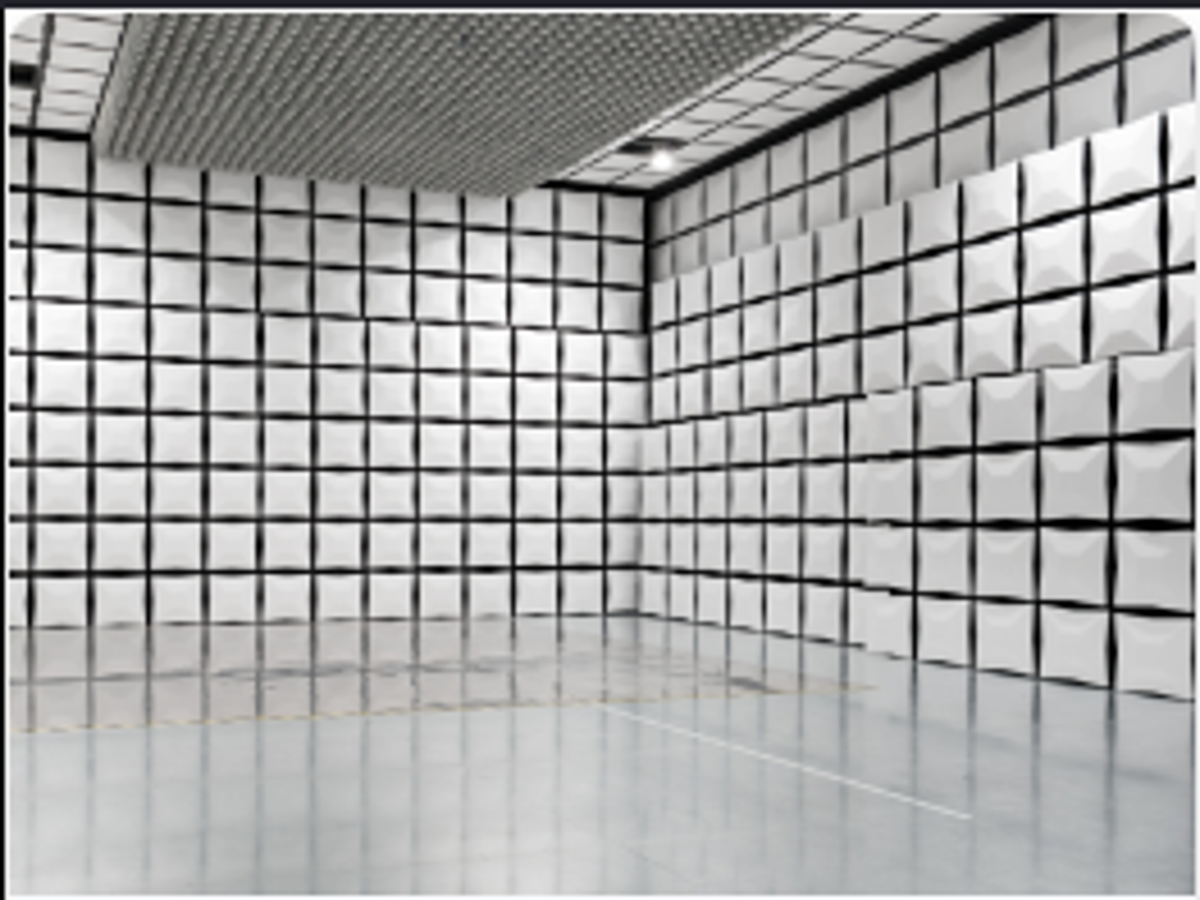
Rapid technological development continues to increase demand for electromagnetic shielding materials worldwide.
Key driving industries include:
- 5G and communication infrastructure
- artificial intelligence data centers
- aerospace and defense electronics
- semiconductor manufacturing
- scientific research laboratories
As electronic systems become more sensitive, reliable shielding materials are no longer optional but essential engineering components.
Copper woven wire mesh remains one of the most efficient and economical shielding solutions available today.
Conclusion
Copper wire mesh continues to play a critical role in Faraday cage construction due to its combination of:
excellent electrical conductivity, flexible installation capability, durable performance, and engineering practicality.
Successful shielding projects depend on:
- correct specification selection
- professional installation practices
- consistent manufacturing quality
With extensive production experience and cooperation with global engineering customers, HIGHTOP Group provides reliable copper mesh solutions tailored for real-world electromagnetic shielding applications.
FAQ
What mesh size is commonly used for Faraday cages?
Most engineering projects select 40–100 mesh depending on frequency requirements.
Is copper mesh better than stainless steel for EMI shielding?
Yes. Copper’s higher conductivity typically provides stronger electromagnetic attenuation.
Can copper mesh replace solid metal shielding panels?
In many applications, copper mesh provides equivalent shielding performance while allowing airflow and easier installation.
Does oxidation reduce copper shielding performance?
Surface oxidation generally has minimal impact on electromagnetic shielding effectiveness.
Get In Touch
Please fill in the contact form below whether you have questions or request for a quote, we’ll get back to you as soon as possible.